
Wellness · November 16, 2026
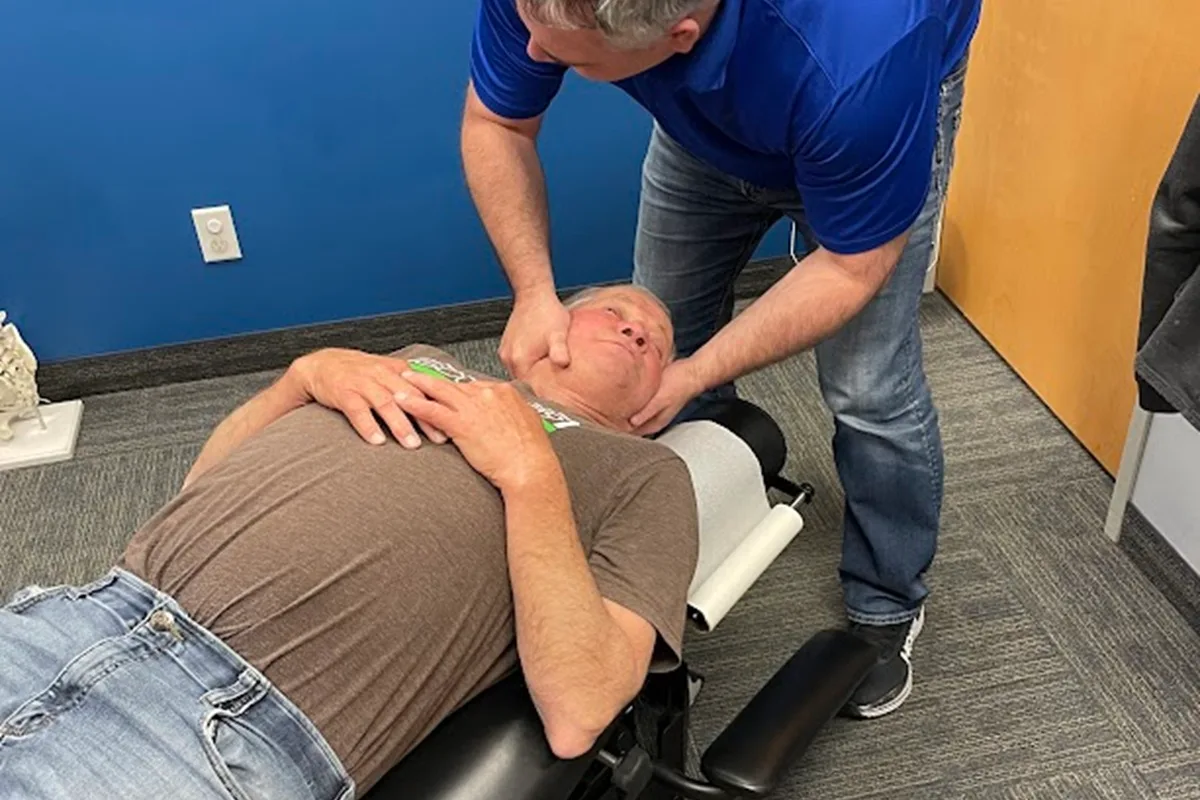
If you've ever woken up with a stiff neck, struggled to check your blind spot while driving, or spent an entire workday with that dull, nagging ache creeping up into the back of your skull — you already know how disruptive neck pain can be. It doesn't just hurt. It quietly chips away at your ability to show up fully in your daily life. Here in Thief River Falls, Dr. Nathan Weiss and the team at True North Chiropractic Center see patients managing this kind of pain every single week. And the most important thing we want you to know right from the start is this: persistent neck pain is not something you just have to live with.
What is neck pain, exactly? Neck pain refers to discomfort, stiffness, or aching in the cervical spine — the seven vertebrae that run from the base of your skull to your upper back. It can range from a mild, temporary soreness to a chronic, limiting condition that affects your sleep, your concentration, and your quality of life. Understanding where it comes from is the first step toward actually resolving it.
- Common Causes of Neck Pain
- Recognizing the Symptoms
- How Chiropractic Care Fits In
- Practical Tips for Neck Pain Relief
- When to See a Chiropractor
- Neck Pain at a Glance: Triggers vs. Symptoms
- Myths vs. Facts About Neck Pain
- Final Thoughts from True North Chiropractic Center
Common Causes of Neck Pain
The cervical spine is an engineering marvel — it supports the weight of your head, allows an impressive range of motion, and houses the delicate nerve roots that branch out to your shoulders, arms, and hands. But that complexity also means there are quite a few ways things can go wrong. The good news is that most neck pain falls into recognizable, addressable categories.
One of the most common culprits we see at True North Chiropractic Center is what many call "tech neck" — a postural strain that develops over time from holding your head forward while looking at a screen. For every inch your head drifts forward from its neutral position, the effective load on your cervical spine increases significantly. For desk workers and remote employees throughout the Thief River Falls area, this is an increasingly familiar problem.
Muscle tension and strain are another frequent cause. This can come from something as sudden as a car accident — whiplash is one of the most common injuries we evaluate — or as gradual as years of sleeping in a poor position or carrying a heavy bag on one shoulder. The muscles in your neck and upper back become overloaded, tight, and eventually painful.
Spinal joint dysfunction is also a major contributor. When the joints of the cervical vertebrae lose their normal motion — whether from injury, degeneration, or long-term postural stress — the surrounding muscles compensate, nerves can become irritated, and pain becomes a daily reality. Disc issues, including bulging or herniated cervical discs, can add nerve compression to the mix, sometimes causing symptoms that radiate into the shoulder or arm.
Finally, degenerative changes like cervical osteoarthritis or disc degeneration become more common as we age. These are not automatic sentences to a life of pain, but they do require a thoughtful, targeted approach to care — exactly what Dr. Nathan Weiss and the team at True North are equipped to provide.
Recognizing the Symptoms
Neck pain doesn't always announce itself the same way in every person. Some people feel a constant dull ache. Others experience sharp, shooting pain with certain movements. Still others notice that their neck pain seems inseparable from the headaches they've been chalking up to stress. Learning to recognize what your body is telling you is genuinely useful.
The most common symptom is simply stiffness — that feeling of reduced range of motion when you try to look left, right, up, or down. You might notice it first thing in the morning or after long periods of sitting. Tenderness along the muscles of the neck and upper shoulders is also very typical, and many patients describe a sensation of tightness or "knots" that never fully release on their own.
When nerve roots in the cervical spine become irritated or compressed, symptoms can extend beyond the neck itself. Tingling, numbness, or weakness in the arm or hand — often described as a "pinched nerve" — are signs that the problem may involve the nerve pathways coming out of the cervical spine. Headaches that originate at the base of the skull and radiate forward are another common presentation, often called cervicogenic headaches.
Some patients also report difficulty concentrating, disrupted sleep, or increased irritability — not because the pain is psychological, but because chronic pain genuinely taxes the nervous system and overall wellbeing. If any of these patterns sound familiar, that's valuable information worth bringing to a qualified provider.
How Chiropractic Care Fits In
Chiropractic care is one of the most well-studied conservative approaches for neck pain, and evidence from organizations like the National Center for Complementary and Integrative Health (NCCIH) and the American College of Physicians (ACP) has acknowledged spinal manipulation as a reasonable first-line option for certain types of neck and musculoskeletal pain. The appeal is straightforward: it's non-surgical, non-pharmaceutical, and focused on restoring normal function rather than simply masking symptoms.
At True North Chiropractic Center, Dr. Nathan Weiss takes a thorough diagnostic approach before any treatment begins. The goal is to understand the actual root cause of your neck pain — not to apply the same adjustment to every patient who walks through the door. That means evaluating your posture, spinal alignment, range of motion, and neurological signs to build a picture of what's really going on.
Chiropractic adjustments to the cervical spine are designed to restore proper joint motion, reduce muscular tension, and decrease nerve irritation. Many patients notice an improvement in their range of motion fairly early in care, along with a reduction in the intensity and frequency of their pain. But adjustments are only one part of what True North offers.
What genuinely sets True North Chiropractic Center apart in Northwest Minnesota is the breadth of therapeutic options available under one roof. Intersegmental traction (IST) tables help restore normal motion to the spine and surrounding soft tissues. Spinal decompression therapy is available for patients dealing with disc-related neck pain. Advanced shockwave therapy can be applied to stubborn soft tissue injuries that haven't responded to other approaches. Onsite rehabilitation services help patients build the strength and stability that make lasting improvement possible.
This kind of comprehensive, coordinated care is rare in a community like Thief River Falls — and it means patients don't have to drive hours to access the full spectrum of treatment that their condition may require.
Practical Tips for Neck Pain Relief
While professional care is often the most direct path to resolution, there are meaningful things you can do between visits — and before you ever walk through our doors — that support your cervical spine health. These aren't magic fixes, but they're grounded in solid biomechanical principles.
Your workstation setup matters enormously. If your monitor is too low, too high, or positioned to one side, your neck is compensating for that all day long. Aim to keep your screen at eye level, your chair supporting your lower back, and your keyboard positioned so your elbows are roughly at a 90-degree angle. Even small adjustments here can meaningfully reduce the cumulative strain on your cervical spine.
Be intentional about how often you move. Sitting in one position for extended periods — even a "good" position — allows muscles to fatigue and joints to stiffen. A brief change of position or a short walk every 30 to 45 minutes gives your spine a reset. It doesn't have to be dramatic; it just has to be consistent.
Your sleep position plays a bigger role than most people realize. Sleeping on your stomach, especially with your head rotated to one side, puts significant rotational stress on the cervical spine for hours at a time. Side or back sleeping with an appropriately supportive pillow is generally a better choice for cervical spine health.
Gentle range-of-motion exercises — slow, controlled movements that take your neck through its natural planes of motion — can help maintain mobility and reduce stiffness. These should never be forced or painful. If you're unsure what's appropriate for your specific situation, that's a great question to bring to Dr. Nathan Weiss at your first visit.
When to See a Chiropractor
Many people wait far longer than they should before seeking care for neck pain. There's a common tendency to assume that it will resolve on its own — and sometimes, mild acute pain does. But when pain persists beyond a week or two, begins to interfere with sleep or daily activities, or starts producing symptoms in the shoulder, arm, or hand, it's time to get a proper evaluation.
At True North Chiropractic Center, we regularly see patients who have been managing their neck pain quietly for months or even years. By the time they arrive, the problem has often become more complex — not because nothing could have been done, but because the underlying dysfunction was allowed to progress without being addressed.
Chiropractic care is particularly well-suited for neck pain that stems from postural strain, spinal joint dysfunction, muscle tension, disc irritation, or whiplash-type injuries. It's a reasonable and evidence-informed first step before considering more invasive interventions.
That said, there are symptoms that warrant immediate medical attention rather than a chiropractic visit. These include severe neck pain following a significant trauma, sudden weakness or loss of coordination in the arms or legs, difficulty swallowing or speaking, or neck pain accompanied by fever and stiff neck that could indicate a more serious systemic issue. If you're experiencing any of these, please seek emergency care right away. A good chiropractor will always tell you when something is outside the scope of conservative care — and Dr. Nathan Weiss and the True North team take that responsibility seriously.
Neck Pain at a Glance: Triggers vs. Symptoms
| Common Trigger | Associated Symptoms | Who It Often Affects |
|---|---|---|
| Poor screen/desk posture ("tech neck") | Stiffness, upper back tension, headaches at base of skull | Desk workers, remote employees, students |
| Whiplash from auto accident | Acute neck pain, reduced range of motion, dizziness | Auto accident patients of all ages |
| Cervical disc herniation | Radiating arm pain, tingling, numbness, weakness | Adults 35–60, often with prior neck strain |
| Cervical joint dysfunction | Localized stiffness, clicking, restricted movement | Older adults, those with sedentary occupations |
| Muscle overuse or tension | Tender knots, aching, difficulty relaxing the neck | Manual laborers, stressed professionals |
| Poor sleep position | Morning stiffness, one-sided aching, restricted rotation | Stomach sleepers, those with unsupportive pillows |
Myths vs. Facts About Neck Pain
Myth: Neck pain is just a normal part of getting older and nothing can be done about it.
Fact: While degenerative changes in the cervical spine do become more common with age, that doesn't mean pain is inevitable or untreatable. Many older adults experience meaningful improvement with chiropractic care, spinal decompression, and targeted rehabilitation. Age is not a reason to stop looking for answers.
Myth: If I rest my neck and avoid movement, it will heal faster.
Fact: Complete rest and immobility are rarely the right answer for neck pain. Controlled, gentle movement helps maintain circulation, prevents muscle atrophy, and supports the healing process. The goal is appropriate movement — not complete avoidance, and not forcing through sharp pain either.
Myth: Chiropractic adjustments to the neck are dangerous.
Fact: Cervical chiropractic adjustments performed by a trained, licensed chiropractor are considered safe for the vast majority of patients. Serious adverse events are exceptionally rare. Dr. Nathan Weiss conducts a thorough evaluation before any treatment to ensure each approach is appropriate and safe for the individual patient.
Myth: Neck pain will always go away on its own if I just wait long enough.
Fact: Some mild, acute neck pain resolves with time. But chronic or recurring neck pain often reflects an underlying dysfunction that doesn't self-correct. Without addressing the root cause, many patients find that their pain cycles back — often worsening over time. Early, targeted care is almost always more effective than prolonged waiting.
Myth: I need an MRI before a chiropractor can help me.
Fact: While imaging can be valuable in certain clinical situations, it's not a prerequisite for beginning a chiropractic evaluation. A skilled clinician can gather significant diagnostic information through physical examination, postural assessment, and range-of-motion testing. Imaging may be recommended if warranted — but it's not automatically required to begin care.
Final Thoughts from True North Chiropractic Center
Neck pain has a way of becoming background noise in people's lives — something they learn to work around rather than actually resolve. If that sounds familiar, we want you to know that there is a more productive path forward. Here in Thief River Falls, True North Chiropractic Center was built specifically to serve people in this community who are ready to stop managing their symptoms and start addressing what's actually causing them.
Dr. Nathan Weiss and the True North team bring together clinical precision, advanced therapeutic tools, and genuine investment in each patient's outcome. We're not here to offer a quick fix or a one-size-fits-all adjustment. We're here to understand your specific situation, build a plan that makes sense for your body and your life, and walk alongside you as you work toward the kind of health that lets you show up fully — for your work, your family, and yourself.
If you've been living with neck pain and haven't found real answers yet, we'd genuinely welcome the opportunity to take a closer look. True North Chiropractic Center is here — right here in Northwest Minnesota — and we're ready to help you find your path forward.
Frequently Asked Questions About Neck Pain
How long does neck pain typically last?
The duration depends heavily on the underlying cause. Mild acute neck pain from a strain often improves within a few days to two weeks. Pain that persists beyond that, or that returns repeatedly, usually reflects an underlying issue that benefits from professional evaluation and targeted care.
Can neck pain cause headaches?
Yes. A specific type of headache called a cervicogenic headache originates from dysfunction in the cervical spine and surrounding soft tissues. These headaches typically begin at the base of the skull and can radiate toward the forehead or behind the eyes. Chiropractic care has been shown to help reduce the frequency and intensity of cervicogenic headaches in many patients.
Is it safe to see a chiropractor for neck pain after a car accident?
Chiropractic care is one of the most commonly recommended conservative approaches for whiplash and neck injuries following auto accidents. Dr. Nathan Weiss at True North Chiropractic Center conducts a thorough evaluation before beginning any treatment to ensure the approach is appropriate for the nature and severity of the injury.
What's the difference between a muscle strain and a pinched nerve in the neck?
A muscle strain involves damage or overload to the neck muscles and typically produces localized soreness and stiffness. A pinched nerve — more accurately called nerve root compression or radiculopathy — involves pressure on a nerve exiting the cervical spine, often causing pain, tingling, numbness, or weakness that radiates into the shoulder, arm, or hand. Both are evaluable by a chiropractor, though they require different approaches to care.
How many chiropractic visits will I need for neck pain?
The number of visits varies significantly based on the nature, severity, and duration of the problem. Some patients notice meaningful improvement in a relatively short course of care; others with more complex or long-standing conditions benefit from a longer treatment plan. Dr. Nathan Weiss will give you a clear, individualized recommendation after your initial evaluation — not a vague or open-ended commitment.
Can I do anything at home to support my chiropractic care for neck pain?
Absolutely. Ergonomic adjustments at your workstation, being intentional about movement breaks throughout the day, improving your sleep position, and gentle range-of-motion exercises can all support the work being done in the clinic. Your care team at True North will give you guidance specific to your situation so you're not guessing.
TL;DR — Key Takeaways
- Neck pain is common but not inevitable — most cases have identifiable, addressable causes rooted in posture, joint dysfunction, disc issues, or muscle strain.
- Symptoms can range from localized stiffness and tension to radiating arm pain, tingling, and headaches depending on what's driving the problem.
- Chiropractic care is a well-supported, non-surgical, drug-free approach for many types of neck pain — especially when it's aimed at the root cause rather than symptom management alone.
- True North Chiropractic Center in Thief River Falls offers one of the most comprehensive ranges of chiropractic and rehabilitation services in Northwest Minnesota, including spinal decompression, shockwave therapy, IST tables, and onsite rehab.
- If your neck pain has persisted beyond a couple of weeks, is affecting your sleep or daily function, or keeps coming back — it's time to get a proper evaluation rather than waiting it out.